
Exhibits at the Grafton History Museum
Visit us to see our ongoing exhibits of life in Grafton. Nestled here in the mountains of southern Vermont, our town is fully engaged in modern times without losing touch with our roots in the hill farms, sawmills, and soapstone quarries of our past.

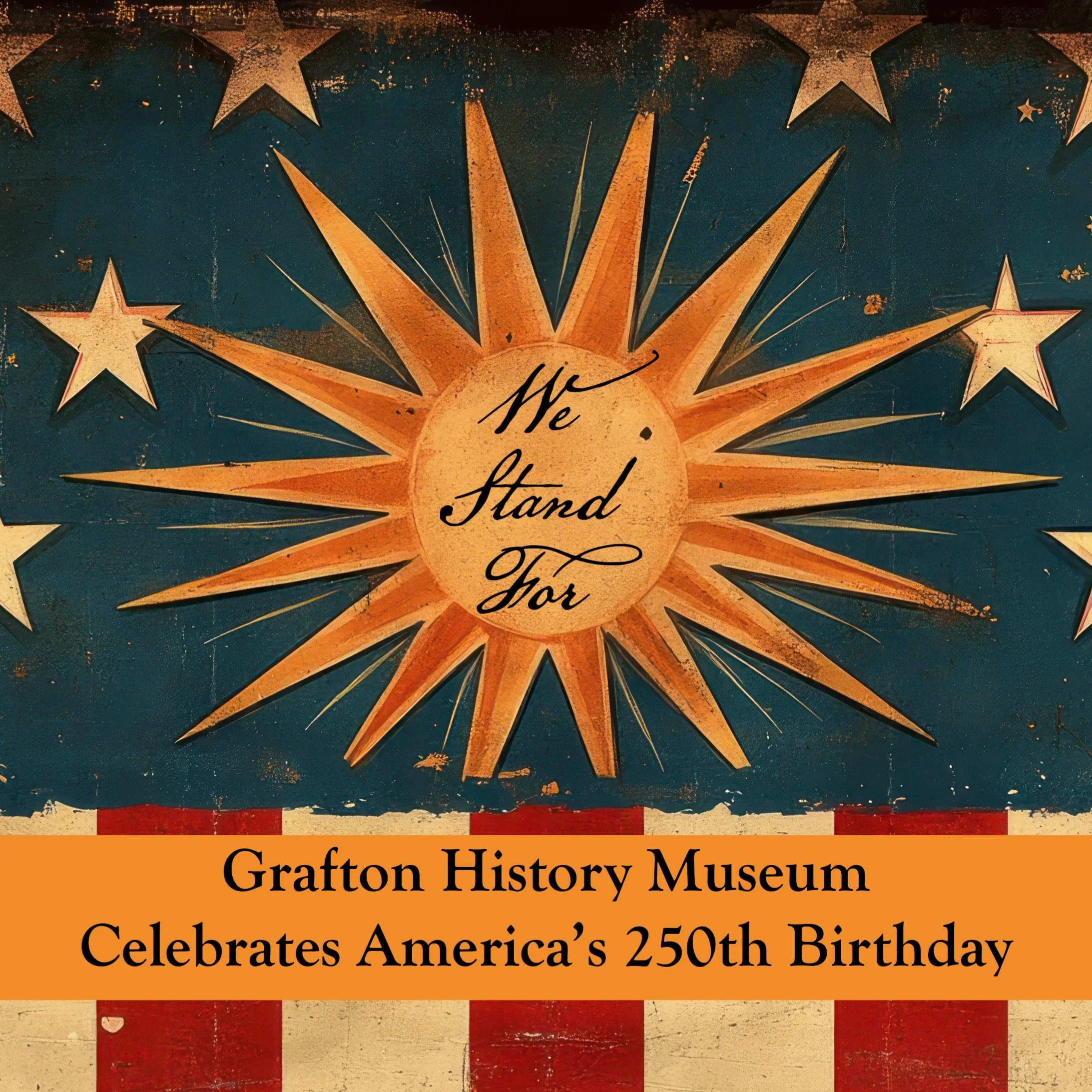
What Would You Stand For?
Featured Exhibit 2025 - 2026
In 1776, 56 patriots risked everything to sign the Declaration of Independence, pledging their lives, liberty, and fortunes to stand for life, liberty, and the pursuit of happiness. In celebration of this 250th Anniversary in 2026, we ask you to share your answer to the question:
Visit our exhibit to make 2 buttons; wear one proudly and share one on our “soapbox” to let everyone know what you would take
a stand for today. It may be political, it may be personal - here’s your chance to stand up and speak out!
What would YOU stand for?
Many of our townsfolk have notably stood for their beliefs in the past. See if you agree with the founding father we’ve paired them with.
From Stagecoach Stop to Vermont Landmark:
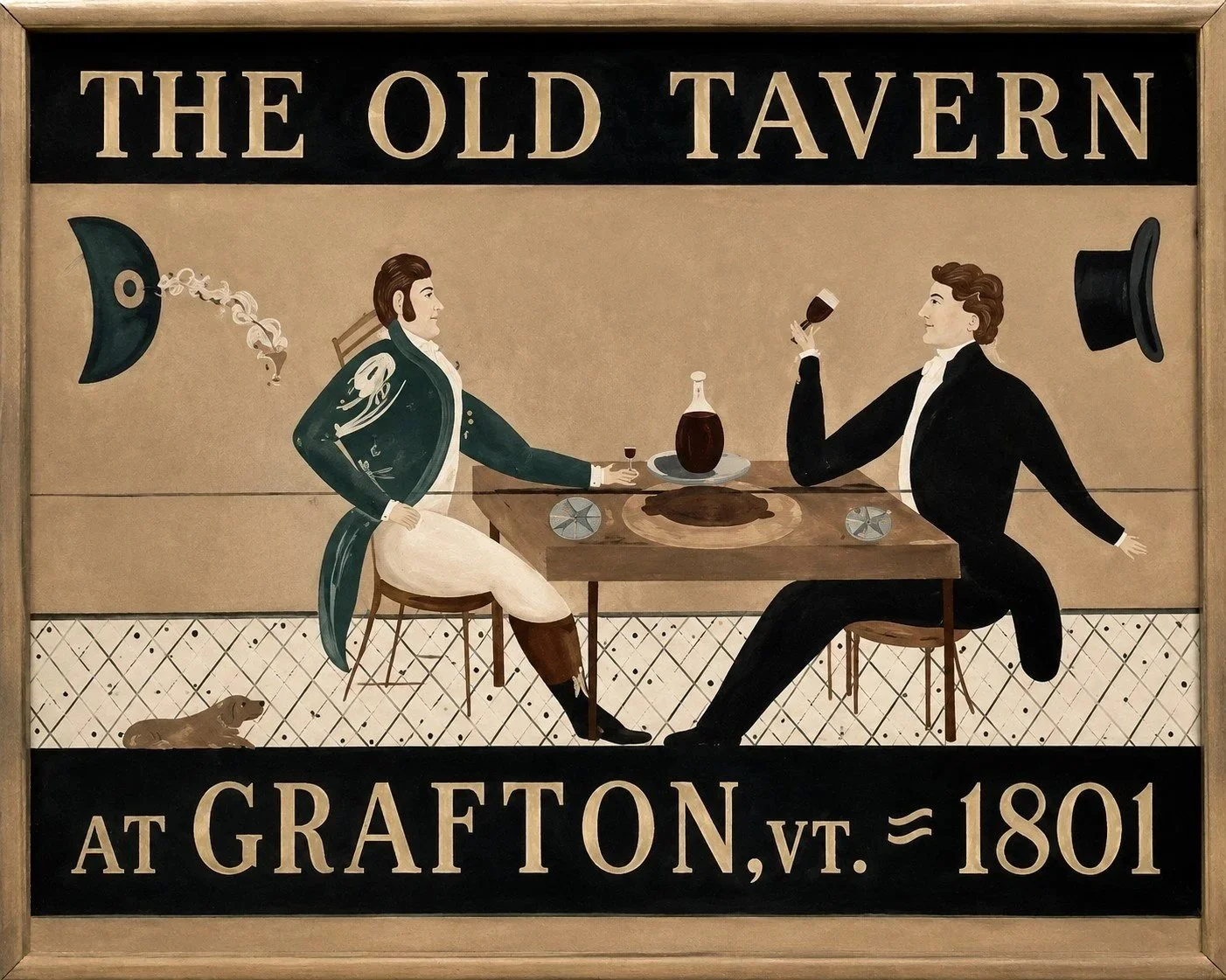
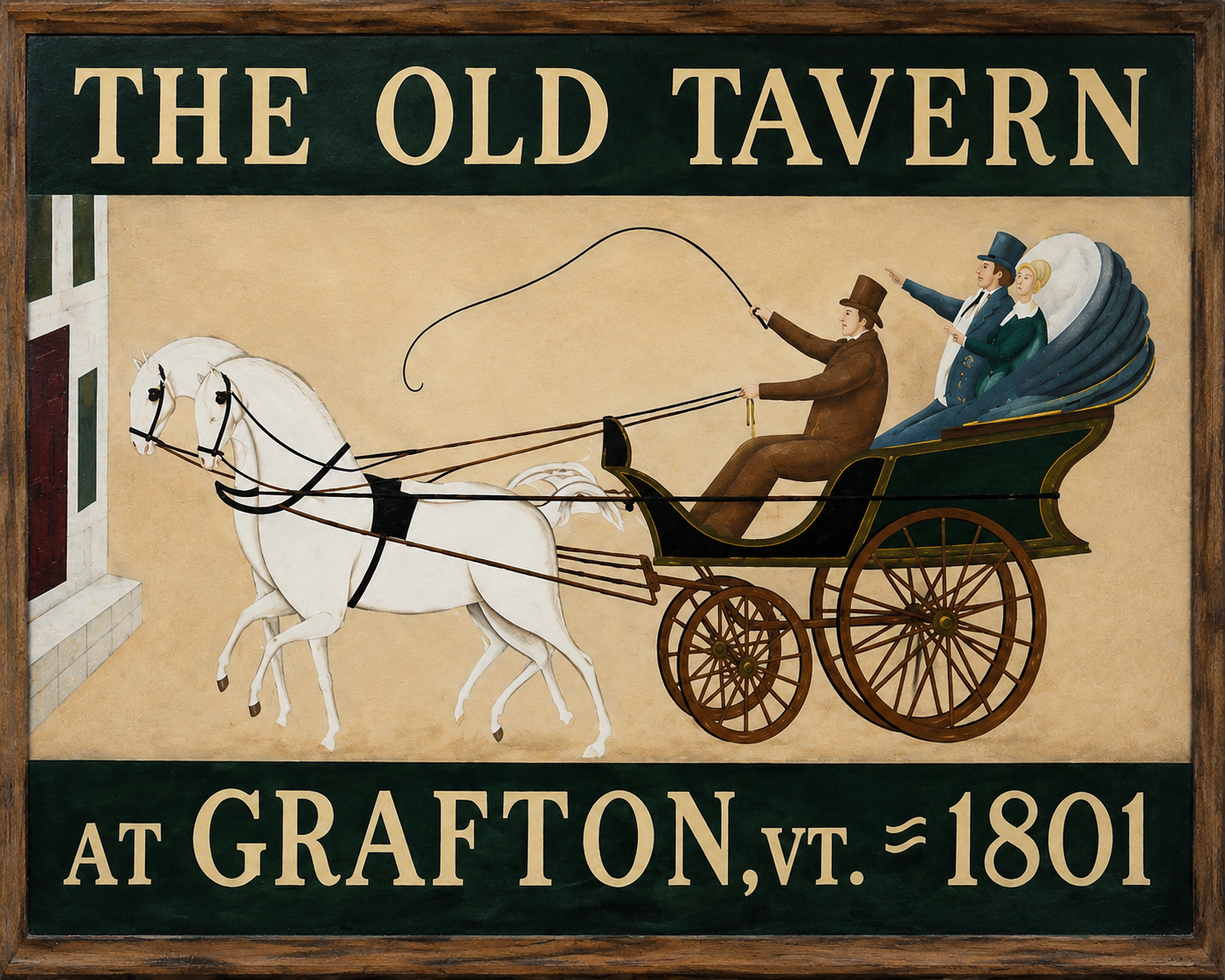
225 Years of History and Hospitality at the Grafton Inn and the Old Tavern
Part inn, part courthouse, and part public square, the Inn was one of the central institutions of village life. Farmers, travelers, merchants, peddlers, lawyers, and townspeople gathered here to eat, drink, exchange news, conduct business, and participate in civic life.Though the horses and stagecoaches and touring cars are gone, the Inn continues its historic role as a place of rest, hospitality, and gathering for travelers and locals.
In 1788, Samuel Spring was granted a license to sell spirits on the site where the Grafton Inn now stands. Thirteen years later, in 1801, Enos Lovell converted his two-story brick home into a hotel. Grafton was an important stop within a growing network of roads, taverns, and stage routes that connected New England with Canada and the Hudson Valley. From the small tavern stand of the Inn of Elisha Warner (1833-1841) to the heyday of the Phelps Hotel (1865-1901) to today’s landmark restoration by the Windham Foundation to The Grafton Inn and Old Tavern, for more than 225 years generations of innkeepers have left their own mark on the tavern, shaping it anew for travelers, neighbors, and visitors to Grafton.
Join us as we explore the long and storied history
of The Grafton Inn and The Old Tavern

Viewpoints:
”Sense of Place” in Grafton
The overarching theme of our main building exhibits is the concept of “sense of place” in Grafton, and how that manifests as Grafton and its citizens engage with each other, and with our town, our state, our nation, and our world.
In 2026, we’ll join the Grafton Inn in celebratings its 225th anniversary and look at how tourism has helped to form Grafton over the decades; we’ll celebrate local veterans and follow some local families whose roots go back to earliest Grafton and who made an impact in every generation. We’ll show the work of artists and writers who were enthralled by the beauty of this place, and tell stories of the soapstone quarrymen, the fulling mill workers and sawyers, the hill farmers and housekeepers and politicians and everyone who felt the sense and the power of this place that is Grafton.


“Journey’s End”
The Turner Family in Grafton
Famed storyteller Daisy Turner tells us her home was called “Journey’s End” because “… Father never wanted to go no further after he got up there on that hilltop.” Her father Alexander (Alec) Turner), born into enslavement on a Virginia plantation in 1845, escaped when he was 16 years old to join the Union forces. Wounded in battle, Alec was a refugee until finally making his home in Grafton in 1873 with his young wife Sally, herself also formerly enslaved. Here they became popular and respected hill farmers, raising 13 children.
“While many African American historic sites in the nation focus on the horrors of slavery and the indignities suffered by the enslaved or freedom seekers, the Turner family (in Grafton) elevates the story of Alec’s forward looking vision for his family and his grit to make Journey’s End a reality,” notes Curtiss Reed, Jr., founder of the Vermont African American Heritage Trail.

Re-opening Spring 2026
The Scrambles exhibit is currently being reconstructed in our barn, with added space for more displays and features.
The Grafton Scrambles:
Motocross in the Mountains
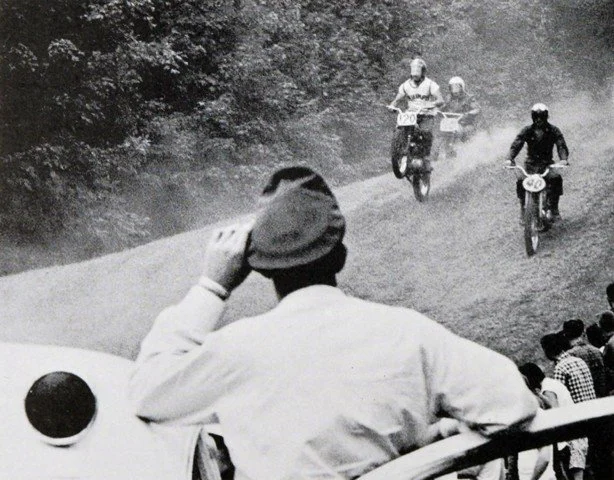
For two days each July, from 1959 to 1968, the pasture of Perley Bell's farm in Grafton roared to life with the International Moto-Cross competition known as the Grafton Scrambles, ranked one of the largest motocross competitions in the country. The number of entries increased each year, reaching close to 200 in 1964, with some 13 races run each day of the two day meet.

Early American Samplers
from Grafton
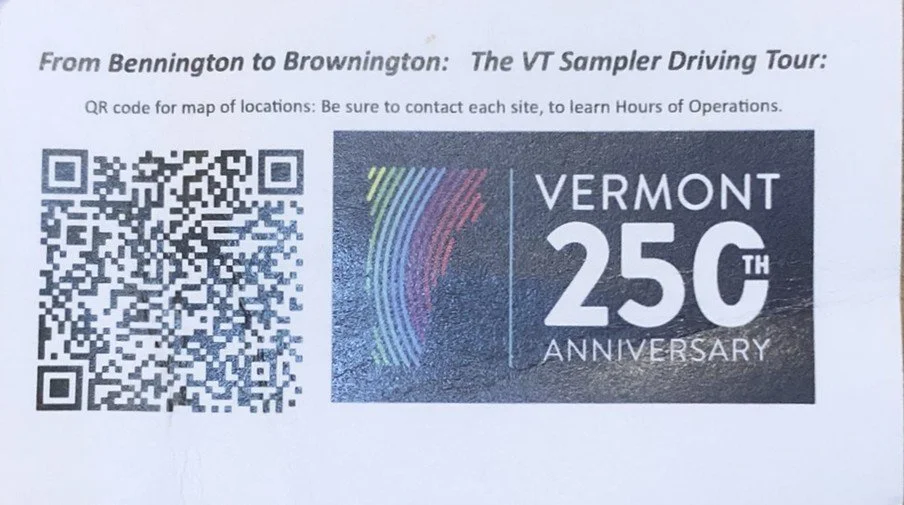
Early American samplers are fascinating artifacts that reflect the intersection of art, education, and social values in colonial and post-colonial America, particularly from the 17th to 19th centuries. Grafton is one of 20 stops on the Vermont Sampler Driving Tour (use the QR code below to see the map).
A piece of embroidery or cross-stitching created as a demonstration of skill and learning, samplers were typically done by young girls as part of their education